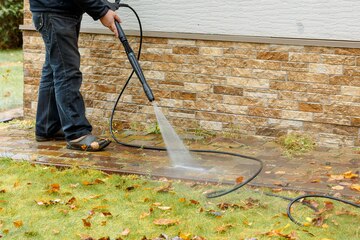
Most Florida homeowners can start by checking their driveway every 6 to 12 months. Clean it sooner if algae, slippery spots, or heavy stains appear. The right schedule depends on your driveway material, shade, drainage, and daily use.
In Port Charlotte, a driveway may look clean for months, then develop dark patches during the rainy season. Another driveway may stay clear for much longer. Use the calendar as a reminder, but let the surface tell you when it needs care.
For many homes, one thorough driveway cleaning each year is a useful starting point. A driveway that sits in the sun and drains well may need less frequent service. A shaded driveway with recurring algae may need attention every few months.
Check your driveway more often if you notice:
A 6 to 12 month schedule is a guide, not a rule. You do not need to pressure wash a clean driveway just because a date has passed. You also should not wait for that date if the surface has become slippery.
Florida’s weather gives dirt and organic growth plenty of chances to build up. Southwest Florida’s rainy season generally runs from mid-May to mid-October, according to the National Weather Service. Frequent rain during that period can leave shaded parts of a driveway damp for longer.
Weather is only part of the picture. Trees drop leaves and pollen. Mowers blow grass clippings across pavement. Irrigation can leave wet spots or mineral marks. Cars add tire marks, oil, and other fluids.
The location of the driveway matters, too. A section under a tree may darken well before the area in full sun. Cleaning should address those differences rather than treating every driveway the same way.
Visible buildup and slippery spots are stronger signs than a date on the calendar. Take a closer look after rain, when some problems are easier to see.
Green growth or dark streaks may appear near landscaping, along the edges, or in shaded areas. These patches can spread if the surface stays damp.
If part of the driveway feels slippery when wet, make that area a priority. Be careful when walking across it. Cleaning may help remove surface buildup, though drainage problems may also need attention.
Fresh vehicle drips are usually easier to address than stains left in place for months. Pressure washing alone may not remove deep oil or rust stains. The surface may need a suitable stain treatment.
Soil, leaves, and grass often collect where the driveway meets the lawn. Paver joints can also trap debris. Regular sweeping helps, but a full cleaning may be useful once buildup becomes widespread.
Yes. The material affects both when you clean and how you clean. Before using a pressure washer, check for cracks, worn coatings, and previous repairs.
Concrete can collect tire marks, dirt, and oil. A sound concrete surface may handle a different cleaning approach than an older slab with cracks or flaking areas. High pressure used too close to the surface can leave marks or worsen weak spots.
If stains keep returning in the same place, look for the source. Cleaning an oil spot will have limited value if a parked vehicle continues to leak.
Pavers need care around joints and edges. A strong spray can disturb joint sand. If the pavers have a sealer, the cleaning method should account for its condition.
Cleaning and sealing are separate jobs. If your pavers look faded or the joints need work, ask about Paver Sealing after the surface has been assessed and cleaned.
Asphalt and coated surfaces may call for a gentler approach. Pressure that works on one driveway may harm another. If a surface is worn, loose, or peeling, have it checked before washing.
The best time is when buildup appears and the weather allows the work to be done well. You do not have to choose the same month every year.
Many homeowners check their driveways after the rainy season. Others plan a cleaning before guests arrive or before a separate paver sealing project.
Do not put off a slick patch just to follow a seasonal plan. Likewise, avoid scheduling a wash during a heavy downpour. Rain can make it harder to inspect the result and manage the wash water.
Yes, especially if the wrong equipment or technique is used. More frequent washing does not always mean a cleaner driveway in the long run.
Excessive pressure can mark weak concrete or affect a worn coating. Repeated washing also will not solve an oil leak, poor drainage, or irrigation that keeps one spot wet.
Start with simple upkeep. Sweep loose debris, deal with fresh spills, and watch for growth. Schedule a full wash when the driveway’s condition calls for one.
A good cleaning starts with a look at the surface. The material, stains, drainage, and nearby landscaping all shape the approach.
A typical driveway cleaning may involve:
Wash water also needs attention. Runoff from paved areas can carry dirt, sediment, and chemicals toward stormwater systems and local waterways. Florida’s Department of Environmental Protection advises controlling pollution at its source.
Small upkeep tasks can help you avoid heavy buildup. They also make it easier to spot a new stain before it sets.
These steps will not replace every driveway cleaning. They can help you choose a schedule based on what your property needs.
Clean pavers when they have dirt, stains, or organic buildup. Consider sealing as a separate decision. Sealing may be an option for suitable pavers, but it does not take the place of cleaning them first.
The condition of the pavers and any old sealer matters. If you are unsure what is already on your driveway, have the surface assessed before choosing a treatment. You can learn more about the separate service on our Paver Sealing page.
Professional help makes sense when the job is large or the stains are stubborn. It can also help when your driveway has pavers, a coating, weak concrete, or several types of stains.
Before booking, describe the driveway material and the areas that concern you. Point out oil spots, slick patches, loose pavers, and any drainage issues. That information helps the provider recommend an approach.
If you are comparing options, read our guide to “How Much Does Pressure Washing Cost in Port Charlotte, FL?” It explains the factors that may affect a quote. You can also explore our Pressure Washing service for other outdoor surfaces around your home.
Start with a 6- to 12-month check for driveway pressure washing in Florida. Move the cleaning date forward if algae, slick spots, or heavy stains appear. If the surface stays clean, there is no need to wash it by the calendar alone.
For homeowners in Charlotte County, Oasis Outdoor Services LLC can help. We can assess the driveway and plan a cleaning that fits its condition. Contact us today for driveway pressure washing services in Florida.