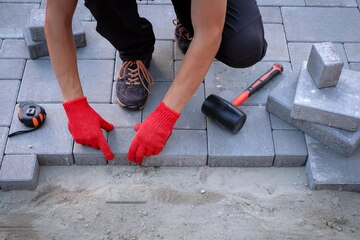
Learn when to reseal your driveway, patio, or pool deck—and how to make the finish last.
Paver sealing often lasts about two to three years in Florida. Your pavers may need attention sooner or later, depending on the sealer, sun exposure, and daily use. The best way to decide is to check the surface, not just the calendar. Some products last several years, and sealing too often can cause buildup or whitening.
Most homeowners can start checking their pavers for wear around the two-year mark. There is no need to reseal them just because a date has passed. Look for changes in water resistance, color, and how easily you can clean the surface.
The type of sealer matters, too. A natural-look sealer may protect the pavers without a strong shine. A color-enhancing or wet-look product changes their appearance more. When the shine fades, it does not always mean all protection is gone.
If you do not know which product was used before, have the surface checked before adding a new coat. A fresh product may not be suitable over the old one.
Outdoor pavers stay exposed to sun, rain, and changing weather. In Charlotte County, a driveway or pool deck can spend much of the year uncovered. Areas with more exposure may need attention sooner than shaded spaces.
Rain also affects the sealing job itself. Pavers need proper cleaning and drying before many sealers go on. Moisture trapped under a coating can leave a white film. Always follow the selected product’s preparation and weather instructions.
Think about how you use each space. Cars turn and park on driveway pavers. People walk across patios and pool decks. Furniture gets moved. Spills happen.
This wear is not equal across the whole surface. The driveway entrance or the path to a front door may lose its finish first. Check those spots when you inspect your pavers.
Concrete pavers, brick pavers, and natural stone do not all need the same products. An older surface may also have stains or damaged pavers that need work before resealing.
Sealer can help protect a prepared surface. It cannot fix a broken paver, poor drainage, or deep stains that remain after cleaning.
The sealer must suit both the material and the finish you want. Proper surface preparation matters as much as product choice. Dirt, oil, and other residue left on the pavers can affect the result. Too much sealer can also create buildup.
Ask what product will be used and how it will look once dry. That helps you set clear expectations for both the finish and future upkeep.
No. Each area can wear at a different rate. Inspect them separately, even if they were sealed on the same day.
You may find that one space needs cleaning while another is ready for resealing. That is why a surface check gives you more useful information than a set schedule.
Changes in appearance and water resistance are good reasons to inspect the sealer. Look for several signs together:
A small water test can help you compare areas. Place a little water on clean pavers and see how the surface responds. Be aware that different sealers behave differently. The test alone cannot tell you exactly when to reseal.
Also check the joints. Sand that washes out may need to be replaced, but loose sand does not always mean the sealer has failed. White haze, peeling, or trapped moisture calls for a closer look before anyone adds another coat.
Sweep away leaves and dirt. Clean spills soon after they happen. Use a cleaning method suited to your pavers, and check for joint sand that has washed out.
Avoid resealing every year out of habit. Follow the product’s instructions and the condition of your surface. If your pavers need cleaning first, our pressure washing services can help prepare your outdoor space for the next step.
You can reseal a small area yourself if you can identify the existing coating, prepare the surface, and follow the product directions. Make time for cleaning, drying, application, and curing.
Larger spaces need more care. An uneven coat can leave visible marks. Applying a new product over an incompatible old coating may also cause problems. If you see peeling, white haze, stubborn stains, or widespread joint loss, get the surface assessed before resealing.
Our paver sealing services can help Charlotte County homeowners plan the right care for a driveway, patio, walkway, or pool deck.
Schedule sealing when the surface can be cleaned, dried, and given enough time to cure. Check the forecast before the work begins. Recent rain or rain soon after application may affect the schedule.
There is no single best month for every paver sealing job in Florida. Surface condition and suitable weather matter more than a date on the calendar. If your pavers show signs of wear, start with an inspection. That gives you time to plan the work around the weather and your use of the space.
Paver sealing can help protect the look of your outdoor space, but it does not last forever. For many Florida homeowners, two to three years is a useful time to check the surface. Reseal when the condition of the pavers and the product guidance call for it.
Oasis Outdoor Services LLC provides paver sealing services in Charlotte County. If your driveway, patio, or pool deck looks worn, contact us to discuss paver sealing. We can help you decide what the surface needs before the next coat goes on.